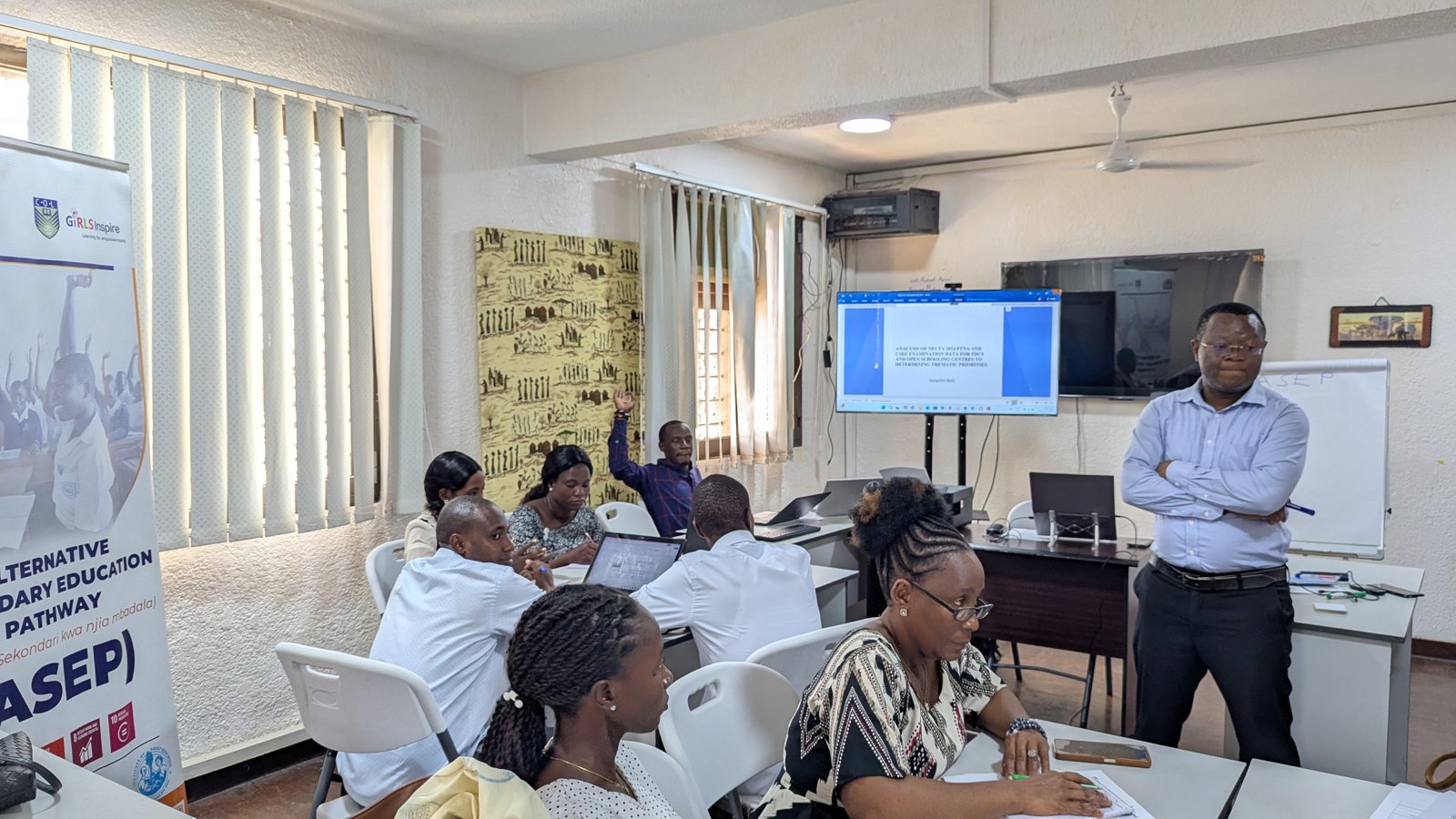
The Alternative Secondary Education Pathway (ASEP) teachers' workshop opened this week with a hard look at national examination data, as teachers and education experts from across YAPO's ASEP implementation schools gathered to review how learners are performing and what must change in the year ahead.
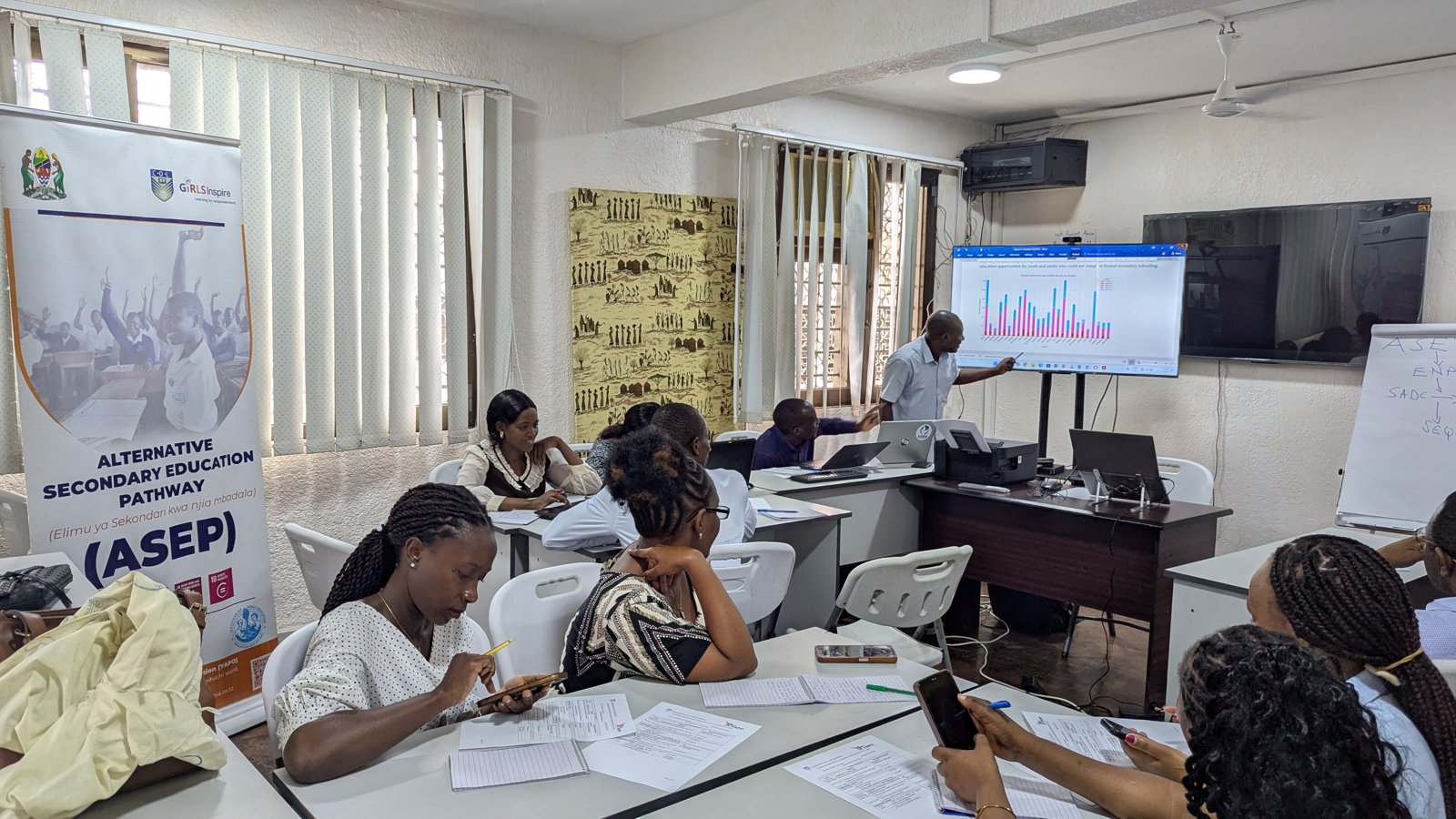
Dr. Sempeho opened the proceedings with a detailed presentation on NECTA examination performance for both the National Form Two Assessment (NFTA) and the Certificate of Secondary Education Examination (CSEE), followed by a general briefing on ASEP. The session set the tone for a workshop built on evidence rather than assumptions.
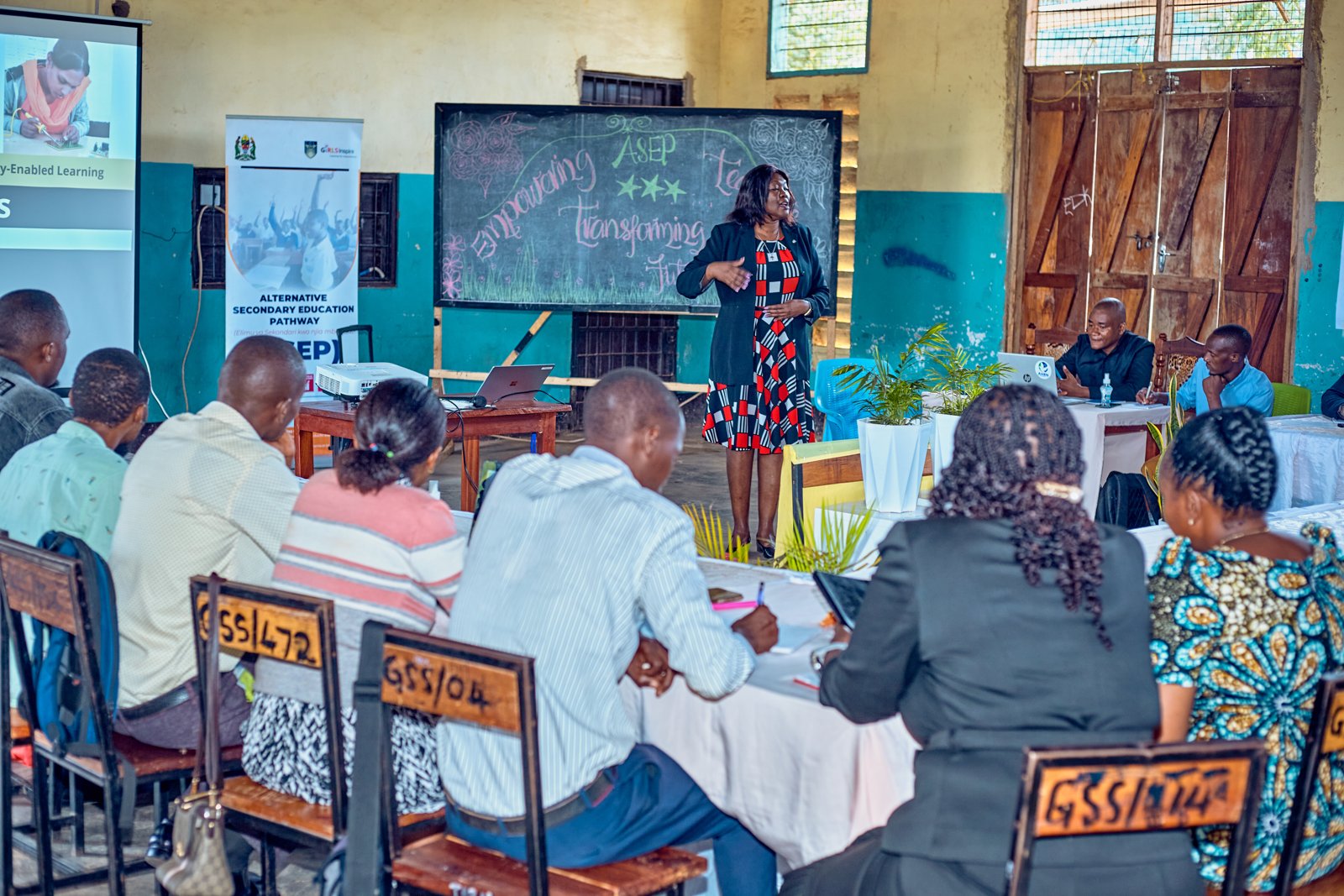
Opening the review, Dr. Sempeho reminded participants why the exercise matters for a pathway that serves some of Tanzania's most determined learners:
Tunapochambua matokeo ya mitihani, hatuangalii nambari tu — tunaangalia mustakabali wa kila msichana aliyerejea darasani.
"When we analyse examination results, we are not looking at numbers alone — we are looking at the future of every girl who has returned to the classroom."
Why the Numbers Matter
Teenage mothers in Tanzania have too often faced permanent exclusion from education. ASEP breaks that cycle by helping young mothers return to school, while surrounding them with life skills, entrepreneurship training, psychosocial support and childcare solutions. So far, more than 60 girls have returned to school through the pathway, and 13 teenage mothers have passed national examinations — results that this workshop was convened to build on.
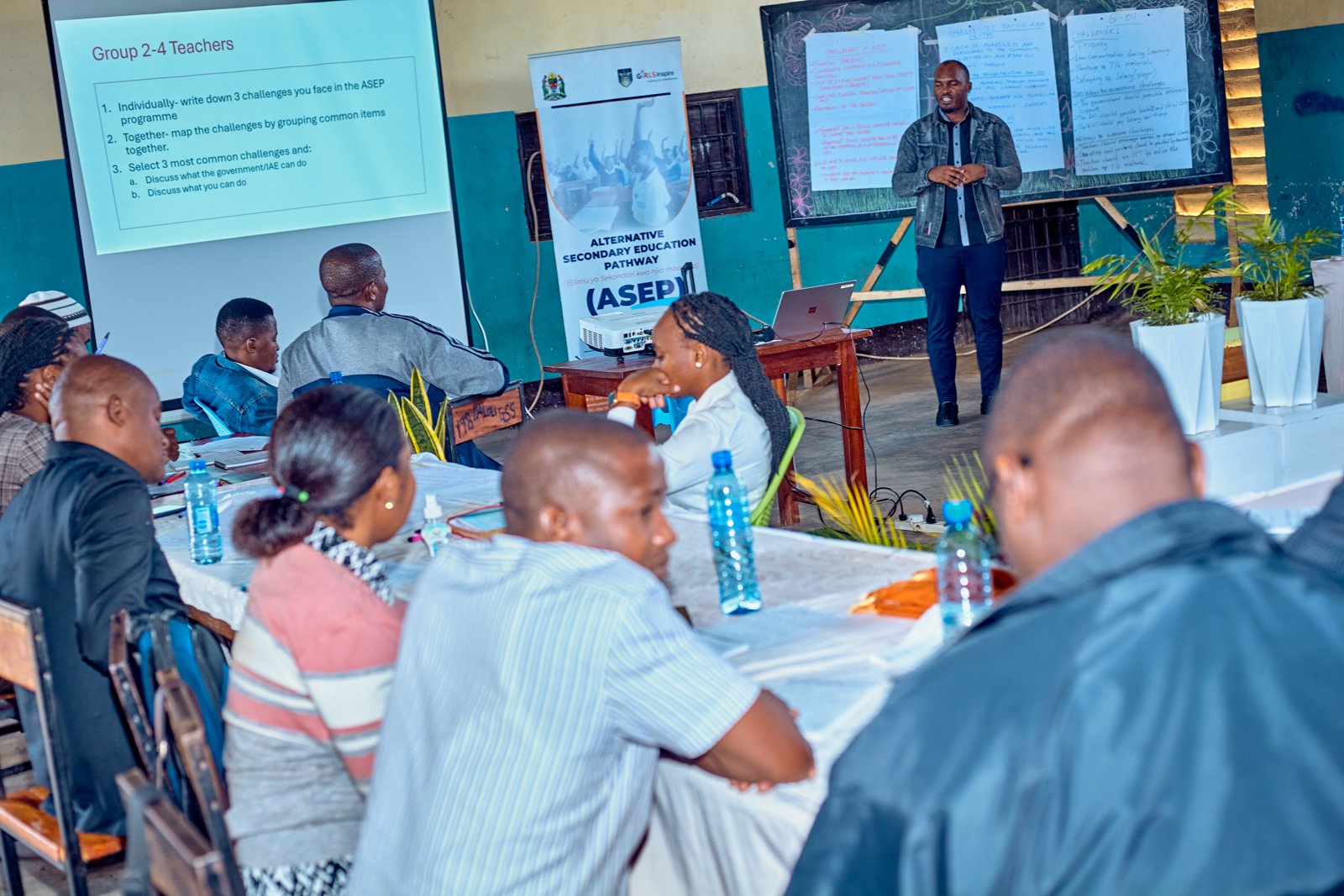
Across the morning, teachers worked through NFTA and CSEE data subject by subject, identifying where ASEP learners are gaining ground and where targeted support is still needed. The discussion made one point repeatedly: these learners are capable, and their performance rises fastest when teaching responds to their realities.
From Data to Action
By the close of the first day, participants had agreed on practical commitments: targeted revision plans in the weakest subjects, closer mentorship of learners juggling studies with parenting, and stronger links between schools and the psychosocial support system around each girl.
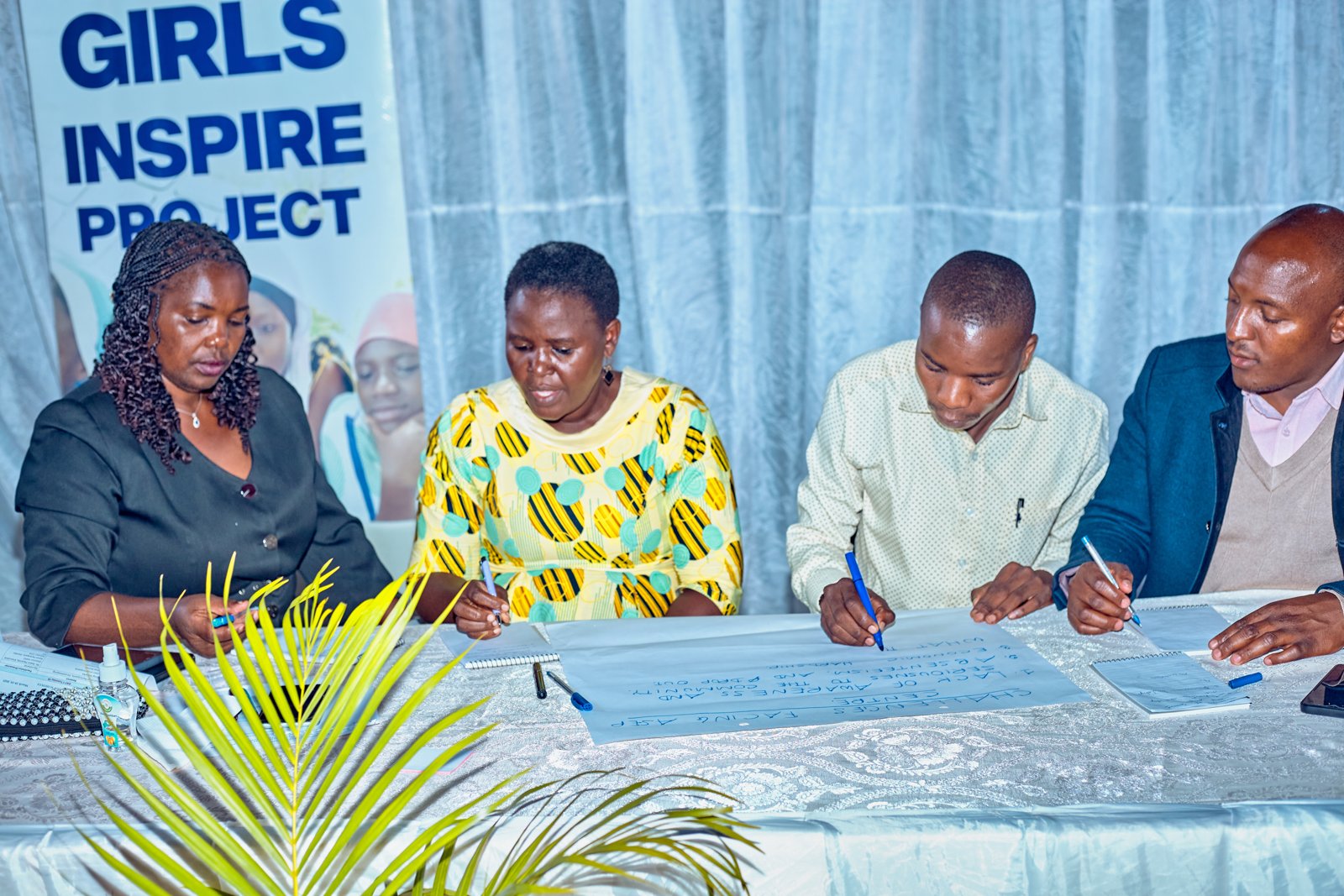
The workshop continues with sessions on subject-specific teaching strategies and learner wellbeing, before participants present their own findings from group work later in the week.